
Head-On Collisions in Fayetteville: How They Affect Your Head and Brain Health
SHARE THIS:
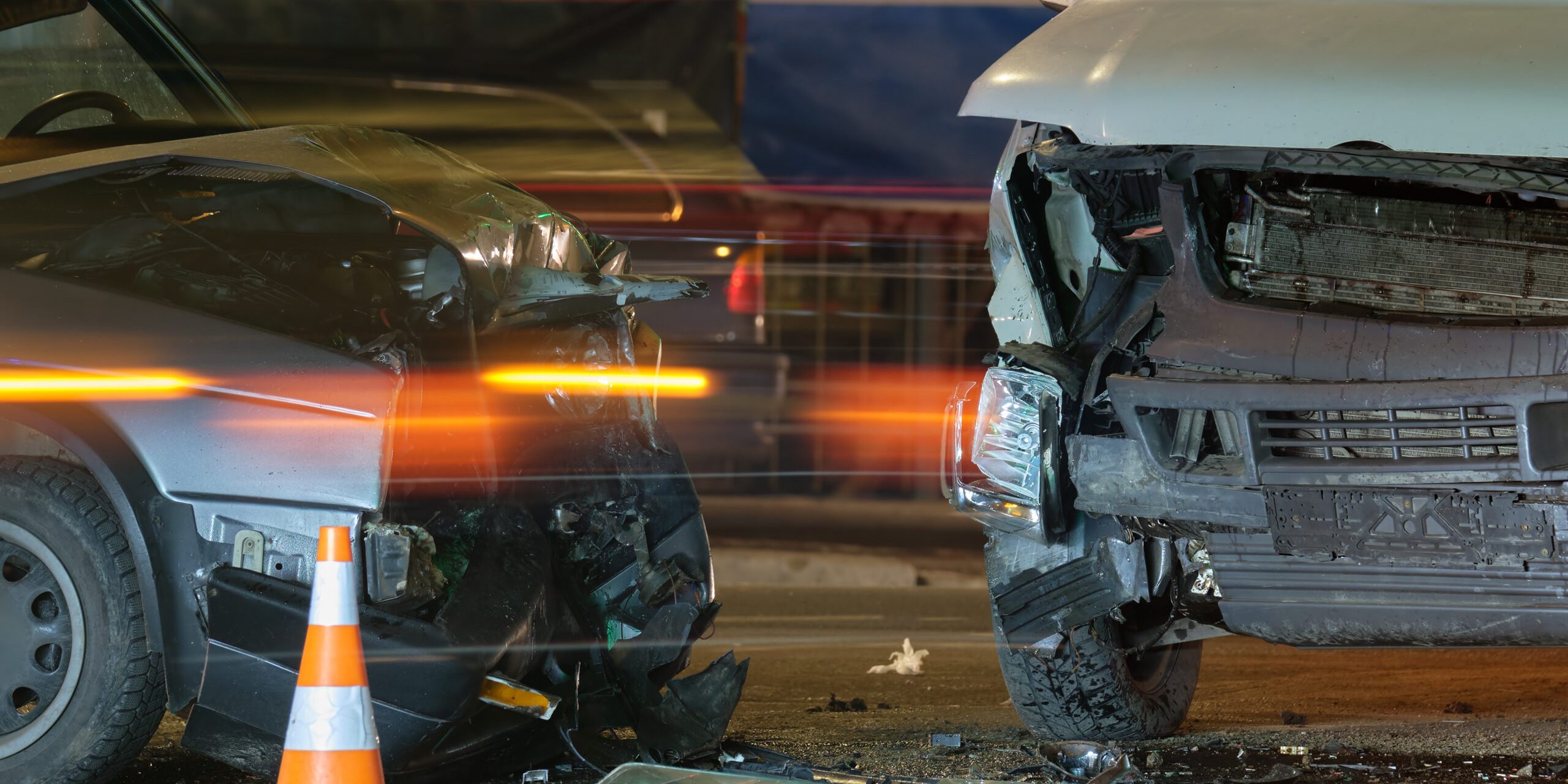
Few crashes occur with more force than a head-on collision. The force and momentum of two vehicles traveling in opposing directions intensifies the impact of the crash.
After a head-on collision, the head and brain health of those in either vehicle can suffer. Studies of people who have survived head-on crashes reveal that damage can occur to the brain even if the head never hits or is hit by an object during the crash.
If you or a loved one suffered head or brain injury symptoms after a collision, see a doctor as soon as possible. Talk to an experienced Fayetteville head-on injury crash attorney to learn more about your legal rights.
Common Head and Brain Injuries After a Head-On Collision
The head and brain can be injured in multiple ways in a head-on collision. One study of 5,374 people involved in vehicle collisions found that over 20 percent experienced a traumatic brain injury (TBI) as a result of the crash. Common types of serious brain and head injury included:
- Skull fractures. About 32 percent of those with head and brain injuries after a crash experienced a skull fracture.
- Subarachnoid hemorrhage. About 30 percent of post-crash brain injuries were subarachnoid hemorrhages, or bleeding in the space between the brain and the tissues that cover it.
- Focal brain injury. Focal brain injury occurs when an impact or penetration damages a specific, focused area of the brain. These injuries occurred in about 30 percent of all brain injury cases following car accidents.
- Subdural hematoma. Subdural hematoma occurs in about 17 percent of car crash brain injury cases. These injuries occur when blood collects between the brain and the tissues covering it. The trapped blood can put pressure on the brain, causing additional damage.
The study found that higher impact forces raise the risk of moderate to severe brain injury for all road users: drivers, passengers, bicyclists, motorcyclists, and pedestrians.
Head Injuries Without Impact
The brain sits inside the skull, cushioned by various tissues and by the fluid the brain shares with the spinal cord (CSF). The position of the brain within the skull allows the brain to move slightly.
In a head-on collision, the crash can generate forces so strong that the brain collides with the inside of the skull. These forces can cause damage to the brain even when the head doesn’t hit an outside object.
In one study of people who suffered brain injuries in auto accidents, researchers determined that when a vehicle decelerates sharply, the risk of brain damage without a head impact increases. The forces generated can cause the head to move sharply, damaging nerves inside the brain.
Rapid deceleration is especially common in head-on collisions. When two cars crash head-on, both come to a swift and immediate stop. The resulting forces can cause “whiplash,” a condition in which the head and neck whip sharply forward and backward. Whiplash can result in neck sprain or strain, damage to the structures of the neck, and brain injuries.
Even a seemingly “minor” car accident can result in damage to the head, neck, and brain. This damage can occur even if the head never hits or is hit by another object during a crash.
Symptoms of a Post-Crash Head or Brain Injury
Identifying a head or brain injury after a head-on collision can be challenging. Even a severe brain injury may leave no outward wounds or other signs of harm.
The best way to deal with a brain injury after a crash is to see a doctor as soon as possible. Emergency medical services, urgent care, or a family physician will perform an examination and send you for any required imaging, such as a CT scan.
Symptoms of head or brain injuries after a crash can include:
- Head pain
- Nausea or vomiting,
- Drowsiness or fatigue
- Dizziness or loss of balance
- Trouble with thinking, mood, memory, or sleep
- Problems with vision, hearing, taste, or smell, or sensitivity to light or sound
- Loss of consciousness
- Convulsion or seizures
- Weakness, numbness, tingling, or loss of coordination in the limbs
Other symptoms can occur as well. Always see a doctor as soon as possible after a car accident, even if you don’t think you were hurt. Some conditions, like whiplash, can take hours or days to fully manifest. A doctor will evaluate your health and provide treatment.
If you or someone you love is injured in a head-on crash in Fayetteville, speak to an experienced Arkansas personal injury lawyer. The team at the Law Office of Jason M. Hatfield, P.A. can help.
Trusted as a source by local & national press