
Work Zones in NWA: Arkansas’s Doubled Fines Now Cover Mobile Crews
SHARE THIS:
What Arkansas’s New Fines Mean After a Crash
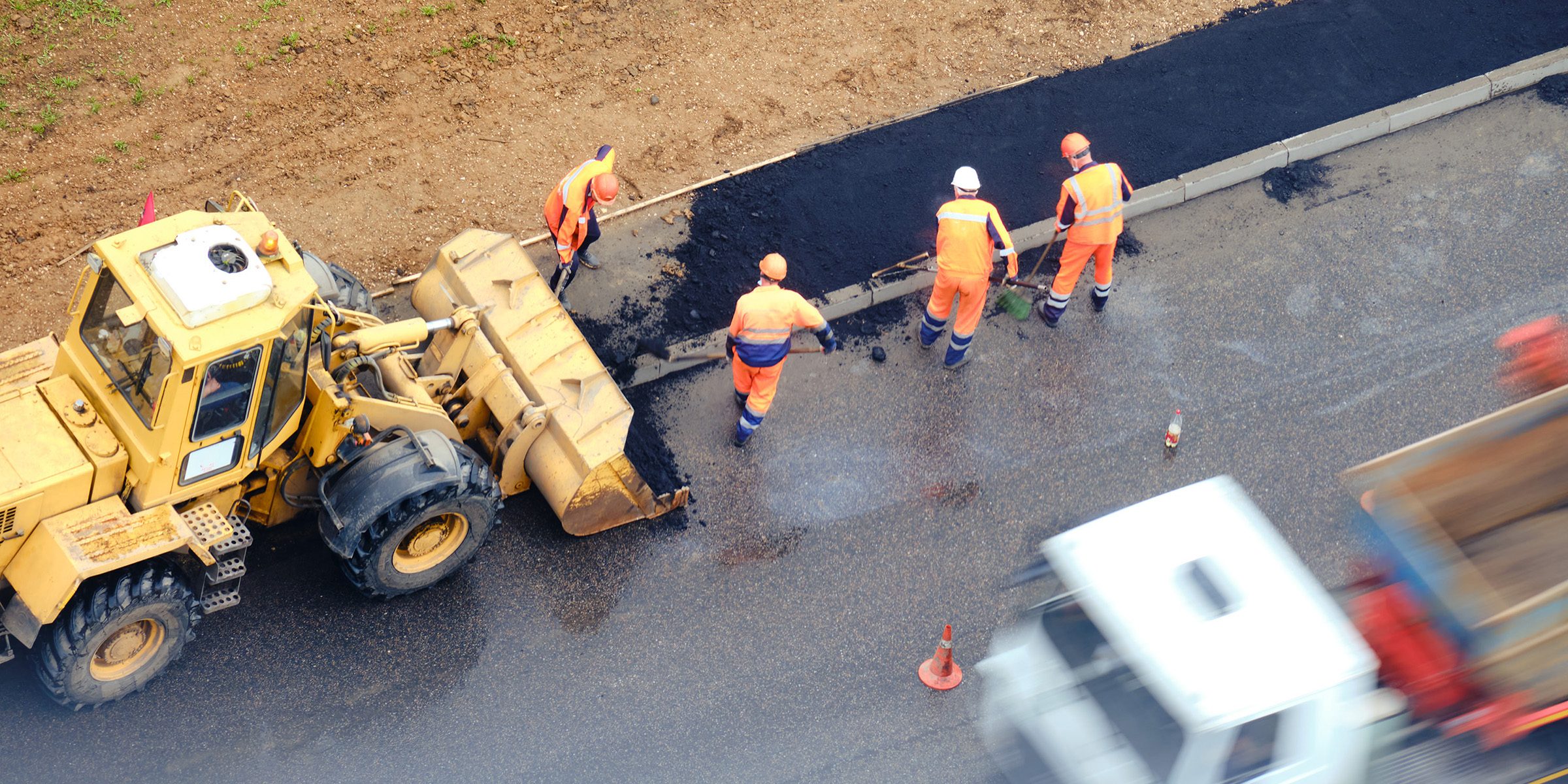
If a work crew’s cones were the last thing you saw before a collision, recent changes to Arkansas law may help your case. Moving violation fines are now doubled in mobile work areas and are not limited to fixed construction sites.
Evidence of citations issued under the new rules can become compelling evidence when you file a claim against a negligent driver. At The Law Office of Jason M. Hatfield, P.A., your consultation is free, and you owe nothing unless we recover on your behalf.
What Changed Under Arkansas’s Work Zone Laws?
The 2025 session produced three laws aimed at protecting road crews and drivers passing them, and all three can show up in an injury case.
- Doubled fines in mobile zones. Act 327 closed a gap in the old rule, which only doubled fines at fixed (static) construction sites, and now doubles fines in mobile work zones, including temporary operations like pothole patching, road striping, and debris removal, as long as the operation is properly marked with required signage or lights on highway equipment. The law applies to ARDOT and its contractors, as well as city and county road departments and their contractors.
- Green flashing lights. Act 209 outfitted ARDOT construction and maintenance trucks with the new signal color after a 2024 pilot showed drivers noticed it day and night.
- Work zones on the driver’s test. Act 117, sponsored by state senators, added work zone safety material to the Arkansas driver’s manual and written exam.
The thread running through all three: a twenty-minute patch job puts workers just as close to traffic as a barricaded interstate project does, and the law now treats it that way.
*Disclaimer: This blog is for educational and informational purposes only. Reading this blog does not establish an attorney-client relationship.
Where NWA Drivers Are Meeting Work Zones Right Now
On July 6, ARDOT announced an update regarding scheduled overnight closures on MLK Boulevard (Highway 62) in Fayetteville, where the road passes under I-49.
The closures, originally planned for July 7–10, were rescheduled by ARDOT to run nightly from July 14 through July 17, from 9 p.m. to 6 a.m., to allow crews to remove the old southbound I-49 bridge.
Active work zones exist along portions of I-49 in the Fort Smith-to-Bentonville corridor, including a major interchange reconstruction at MLK Boulevard in Fayetteville (underway through mid-2028). A stretch that was wide open on your morning commute can be down to one lane by evening.
How a Ticket Becomes Evidence in Your Injury Claim
Work zone crashes killed 71 people on Arkansas roads from 2019 through 2023, and 898 people died in American work zones during 2023 alone. Numbers only tell part of the story, though. Ask anyone who works these cases what a work zone wreck looks like, and you’ll get the same answer.
Somebody comes over the hill at 70, still doing 70 where the signs said 45. The line of stopped cars has nowhere to go. One impact turns into three. Half the time, the person hurt the worst was sitting still with a foot on the brake, doing everything the signs asked.
A citation for speeding or reckless driving through an active site can serve as evidence of negligence in a civil case. The doubled-fine framework signals how seriously Arkansas treats these violations. Every percentage point of blame assigned to the at-fault motorist also protects you under the state’s modified comparative fault rule, which reduces or bars recovery based on your share of responsibility. Your attorney can connect the ticket to crash reports, dashcam video, and witness accounts to show the other driver ignored posted warnings.
Hurt While Working the Zone Itself?
Road workers face some of the most significant risks. Flaggers, equipment operators, and tow truck drivers stand within feet of live traffic and are protected only by cones and paint. Workers injured in these situations may have various options for recovery.
Workers’ compensation covers your medical care and a portion of lost wages regardless of fault. A third-party injury claim against the driver who hit you can recover damages that workers’ compensation never pays, including pain and suffering.
Third-party claims can also be filed against a contractor who set up the zone poorly, with missing signs, poor lighting, or a taper that gave drivers no warning. Our firm handles injury and workers’ comp cases under one roof, which means a single legal team coordinates the entire recovery rather than two offices pointing at each other.
Hurt near a highway work zone? Contact our Arkansas Car Crash Attorney Today
Work zone wrecks leave people with serious injuries and a myriad of liability questions involving drivers, contractors, and the state. You should not sort that out alone while you heal. Contact the Law Office of Jason M. Hatfield, P.A. at (479) 361-3575 for a free case evaluation. We serve injured people across Springdale, Fayetteville, Bentonville, Rogers, Centerton, and Fort Smith, and we answer the phone 24/7.
Trusted as a source by local & national press